In the fast-paced world of texting and online chats, abbreviations and slang often leave people scratching their heads. One common acronym you might see is “WTV”.
Whether you’ve stumbled upon it in a WhatsApp conversation, Instagram comment, or TikTok message, understanding its meaning can make communication smoother and prevent misunderstandings.
People search for “WTV meaning in text” because they want to decode casual chats without sounding out of the loop.
In this article, we’ll break down everything about WTV, from its full form and origins to real-life usage and trends, so you can text confidently and understand online conversations effortlessly.
What Does WTV Mean in Text & Chat?
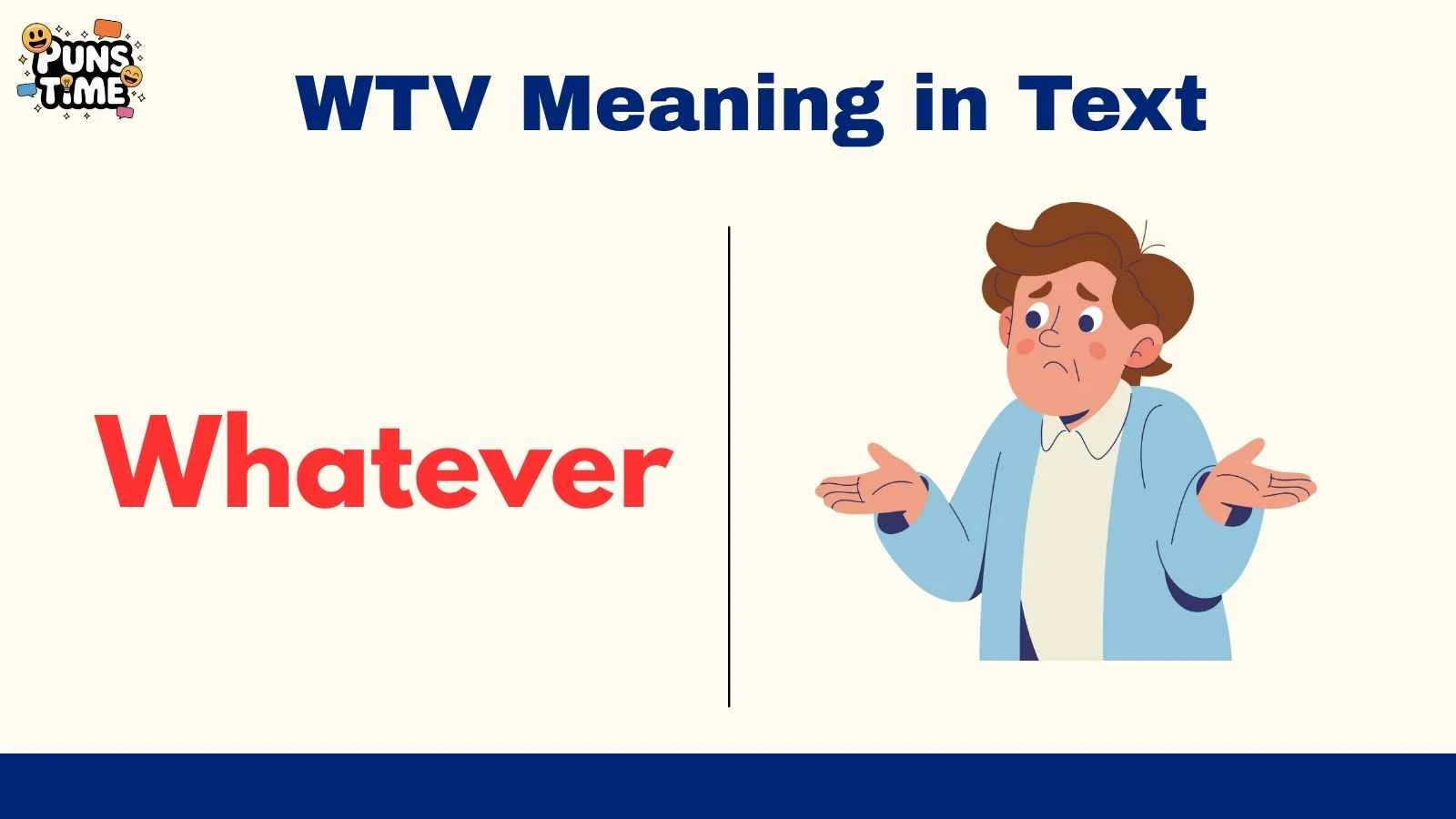
WTV is an abbreviation commonly used in texting and online chats. At its core, WTV means “Whatever.” It’s a casual way to express indifference, dismissal, or agreement without giving a long response. For example, if someone asks, “Do you want pizza or burgers?” and you don’t mind either, you could reply with “WTV.”
- Tone: Often neutral, but sometimes slightly annoyed.
- Usage: Informal conversations, social media chats, group texts.
- Emoji use: Can be paired with 🤷♂️, 😅, or 😏 for added context.
People use WTV when they don’t want to argue, are indifferent, or simply want to move on in a conversation.
Full Form, Stands For & Short Meaning of WTV
- Full Form: Whatever
- Stands For: WTV (text shorthand)
- Short Meaning: A casual way to express “I don’t care” or “It doesn’t matter.”
It’s important to note that WTV is informal and should generally be avoided in professional or serious conversations. Using it in the wrong context might come off as rude or dismissive.
Origin, History & First Known Use of WTV
The abbreviation WTV emerged with the rise of SMS texting and online chatrooms in the late 1990s and early 2000s. Early chat services like AOL Instant Messenger and MSN Messenger popularized shorthand text to save time while typing.
Over time, WTV became widespread on social media platforms and texting apps due to its brevity and expressive tone.
While it doesn’t have a precise inventor, its usage grew organically among teens and young adults seeking quick ways to communicate casually.
How People Use WTV in Daily Conversations
WTV is versatile in daily texting:
- Indifference: “Do you want to watch a movie or play games?” → “WTV 🤷♀️”
- Dismissal: “I don’t agree with your point.” → “WTV, it’s fine.”
- Agreeing without argument: “Let’s go to the café instead of the park.” → “WTV, your choice.”
It’s also commonly combined with emojis to convey tone or emotion, helping reduce misunderstandings in text-only communication.
WTV Meaning Across WhatsApp, Instagram, TikTok & Snapchat
WTV appears differently depending on the platform:
- WhatsApp: Quick replies in personal chats or group messages.
- Instagram: Used in comments or DMs when reacting casually.
- TikTok: Often in comment sections to express indifference to trends or challenges.
- Snapchat: Snaps or chats where users don’t want to type long responses.
The key is that WTV always conveys casual indifference and is widely understood across social media platforms.
Different Meanings of WTV in Other Fields
While WTV almost always means “Whatever” in texting, it can have niche uses elsewhere:
- Technology: Sometimes abbreviated as “Wireless TV” in tech forums.
- Gaming: Less common, could mean “Watch the Video” in gaming walkthroughs.
- Business: Rarely, companies may use WTV as an internal acronym.
Context is crucial to avoid confusion. In most online conversations, the default meaning is “Whatever.”
Common Confusions, Mistakes & Wrong Interpretations
- Mistaking WTV for WTVR or other unrelated acronyms.
- Using it in professional emails, which can appear dismissive.
- Misreading tone: Without emojis, “WTV” can seem rude.
Tip: When in doubt, pair it with a friendly emoji or use a full-text alternative like “That’s fine” to avoid misunderstandings.
Similar Terms, Alternatives & Related Slang
- IDC: I don’t care
- NVM: Never mind
- IDGAF: I don’t give a… (stronger, more explicit)
- SMH: Shaking my head (used in slightly annoyed indifference)
These alternatives can help vary your texting style depending on tone and context.
Examples of WTV in Real Chat Situations
- “Pizza or burgers tonight?” → “WTV 😅”
- “I think we should take a break from the project.” → “WTV, your call.”
- “Do you want to watch a movie or just chill?” → “WTV 🤷♂️”
These examples show its casual, quick-response nature.
How to Reply When Someone Says WTV
- Use emojis to match tone: 🤷♀️, 😅, 😏
- Respond with humor: “WTV? You’re impossible 😆”
- Acknowledge indifference: “Okay, WTV works for me too.”
This helps maintain friendliness without escalating misinterpretation.
Is WTV Still Popular? Trends & Online Usage
Yes, WTV remains widely used, especially among younger audiences on social media. While new slang emerges constantly, WTV’s simplicity keeps it relevant in casual conversations. However, its popularity may decline in professional spaces, where clarity is preferred.
FAQs:
1. Is WTV rude to use?
Not necessarily, but tone matters. Pairing with emojis can soften the message.
2. Can WTV be used in formal texts?
No, it’s strictly informal and better suited for casual chats.
3. Is WTV the same as IDC?
Similar, but IDC explicitly means “I don’t care,” while WTV can also mean mild agreement or indifference.
4. Can WTV have multiple meanings?
Yes, but in text/chat, it almost always means “Whatever.”
5. How do I respond to WTV?
Match the tone with casual agreement, humor, or a neutral emoji response.
Conclusion:
WTV is a quick, casual way to express indifference or mild agreement in texting and social media chats. Understanding its meaning helps prevent misunderstandings, especially when tone and context are subtle.
While it’s informal, pairing WTV with emojis or friendly wording can make your conversations more relaxed and expressive.
Whether you’re texting friends on WhatsApp, commenting on Instagram, or replying to TikTok messages, knowing how and when to use WTV ensures you stay fluent in modern online communication.