If you’ve ever received a message saying “TB” and paused to wonder what it meant, you’re not alone. The TB meaning in text is one of those short abbreviations that can change depending on context, platform, or even the relationship between the people chatting.
With texting, social media, and fast-paced online conversations becoming the norm, users often search for abbreviations like TB to avoid misunderstandings. People want quick clarity—especially when the same two letters can mean very different things.
In this guide, we’ll break down exactly what TB means in text messages, chats, and social apps, where it came from, how it’s used today, and how you should respond when someone sends it to you. Everything is explained in simple, friendly language so you can use it confidently.
What Does TB Mean in Text & Chat?
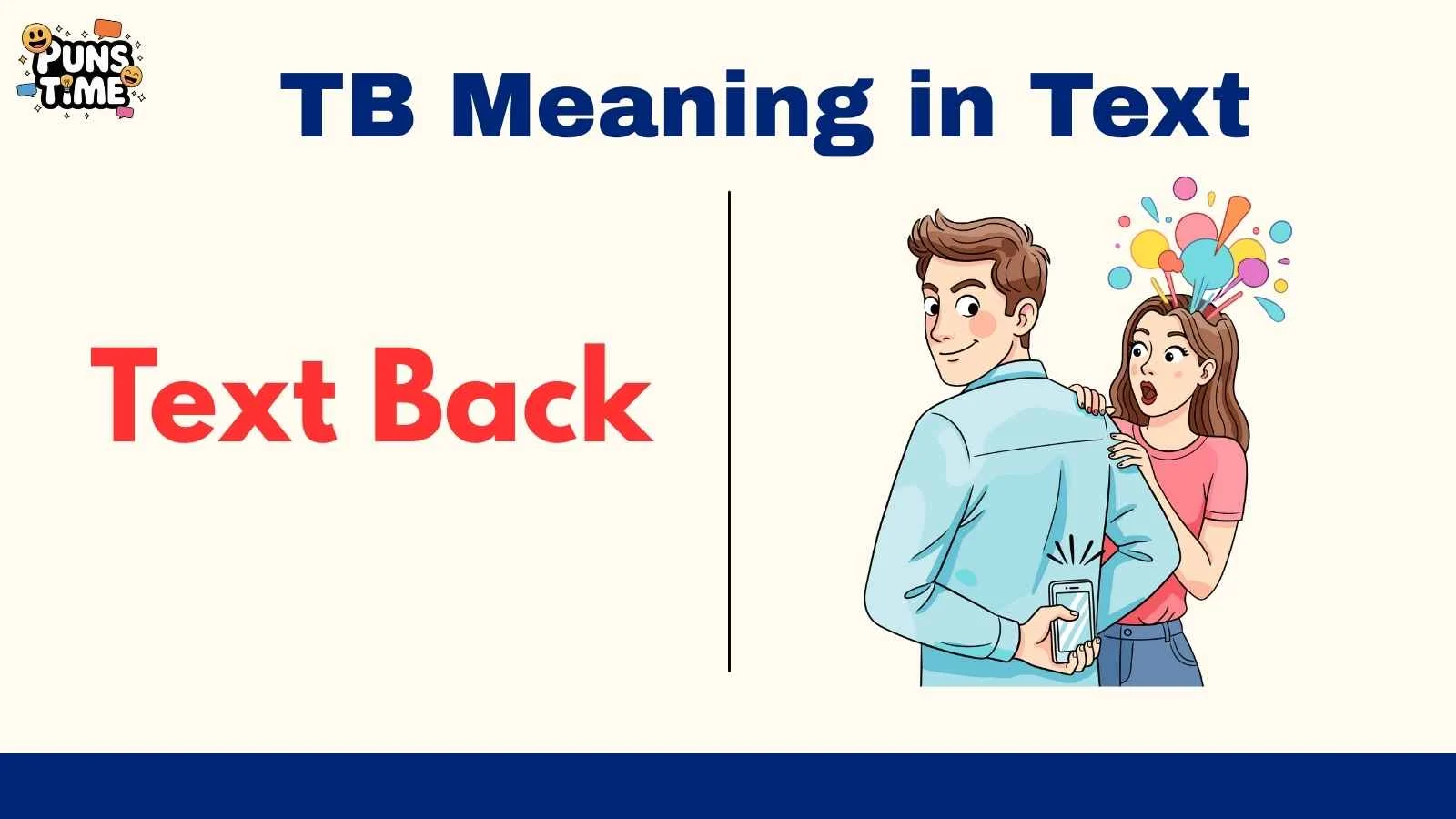
In texting and online chat, TB most commonly means “Text Back.” It’s a casual request asking someone to reply when they can. You’ll often see it in informal conversations between friends, family members, or dating partners.
However, TB doesn’t always mean the same thing. Its meaning depends heavily on context, tone, and platform. Sometimes, TB can also stand for “Throwback,” “To Be,” or even “Tough Break.” In health-related or academic contexts, TB might refer to tuberculosis, but that meaning is rare in casual texting.
In everyday chat usage:
- TB = Text Back 📱
- TB = Throwback (especially on social media)
- TB = To Be (future plans or statements)
Because TB is short and flexible, users rely on surrounding words to understand it. For example, “Call me later TB” clearly means text back, while “TB to last summer” refers to a throwback moment.
Full Form, Stands For & Short Meaning of TB
The abbreviation TB does not have just one fixed full form. Instead, it adapts to different situations.
Most common meanings include:
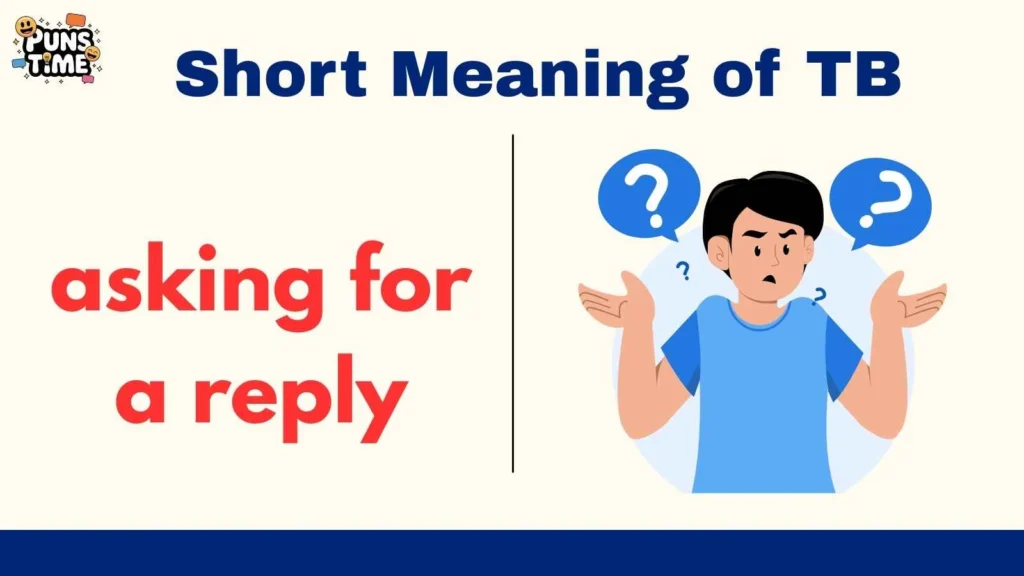
- Text Back – asking for a reply
- Throwback – referring to past memories
- To Be – something planned for the future
- Tough Break – expressing sympathy
- Tuberculosis – medical or academic usage
Short meaning in texting:
👉 A quick, informal abbreviation used to save time and typing effort.
In casual chat, “Text Back” is by far the most popular meaning. On social media, especially Instagram or TikTok, “Throwback” dominates. Understanding which meaning applies depends on where and how TB is used.
Origin, History & First Known Use of TB
The use of TB as an abbreviation evolved naturally alongside SMS texting and early internet chatrooms. In the late 1990s and early 2000s, character limits encouraged users to shorten common phrases. “Text back” became “TB” as mobile phones grew more popular.
The throwback meaning gained traction later, especially with the rise of social media platforms. Hashtags like #TB and #Throwback became common ways to reference old photos or memories.
While TB has existed for decades in medical language, its slang usage is relatively modern and shaped by digital communication habits.
How People Use TB in Daily Conversations
In everyday messaging, TB is used casually and efficiently. It’s rarely formal and usually appears in friendly exchanges.
Common uses include:
- Asking someone to reply later
- Referring to past events or memories
- Expressing sympathy briefly
Quick chat examples:
- “Busy right now, TB later 😊”
- “Miss those days, TB to college!”
- “Ah man, TB… that sucks 😕”
Tone matters. A simple “TB” can sound neutral, friendly, or impatient depending on how it’s written and who sends it.
TB Meaning Across WhatsApp, Instagram, TikTok & Snapchat
The TB meaning in text shifts slightly across platforms:
- WhatsApp: Usually means Text Back
- Instagram: Often means Throwback (photos, stories)
- TikTok: Used for nostalgic or trend-based throwbacks
- Snapchat: Can mean Text Back or Throwback, depending on context
On visual platforms, TB is more memory-focused. In private messaging apps, it’s more conversational.
Different Meanings of TB in Other Fields
Outside texting, TB can mean very different things:
- Medical: Tuberculosis
- Business: Trial Balance
- Technology: Terabyte
- Sports: Touchback
This is why context is critical. In casual chats, these meanings are rare—but in professional or academic settings, they matter.
Common Confusions, Mistakes & Wrong Interpretations
People often misunderstand TB because:
- They assume one meaning fits all situations
- They ignore surrounding context
- They mix up social media and chat usage
Common mistakes:
- Thinking TB always means Throwback
- Taking TB personally when it just means “reply later”
- Confusing slang TB with medical TB
When in doubt, ask for clarification.
Similar Terms, Alternatives & Related Slang
Related abbreviations include:
- BRB – Be Right Back
- HMU – Hit Me Up
- TBT – Throwback Thursday
- DM – Direct Message
👉 Internal linking suggestion: Link this article to pages like “BRB Meaning in Text” or “TBT Meaning on Instagram.”
Examples of TB in Real Chat Situations
- “In a meeting rn, TB later 👍”
- “TB to our first trip together ❤️”
- “That exam was rough… TB 😬”
These short examples show how flexible the term can be.
How to Reply When Someone Says TB
Your response depends on the meaning:
- If it means Text Back → Reply later when free
- If it means Throwback → React or comment
- If it means Tough Break → Say thanks or acknowledge
Simple responses work best.
Is TB Still Popular? Trends & Online Usage
Yes, TB is still widely used, though it’s more context-specific now. While newer slang appears constantly, TB remains popular because it’s short, clear, and adaptable. Social media trends keep the “throwback” version alive, while texting keeps “text back” relevant.
FAQs:
1. What does TB mean in texting?
It usually means Text Back.
2. Does TB always mean Throwback?
No, only on social media or nostalgic posts.
3. Is TB slang or an abbreviation?
It’s both—an informal abbreviation used as slang.
4. Can TB be rude?
Not usually, but tone and context matter.
5. Is TB still used today?
Yes, it’s still common in chats and posts.
Conclusion:
The TB meaning in text may seem simple, but it’s surprisingly flexible. Most of the time, it means Text Back, especially in private conversations. On social media, it often shifts to Throwback, highlighting memories or past moments.
Understanding TB comes down to context where it’s used, who sent it, and what the surrounding message says.
As online communication continues to evolve, abbreviations like TB remain popular because they’re quick, efficient, and easy to understand once you know the basics. Now that you’re familiar with its meanings, usage, and examples, you can confidently use or respond to TB without confusion.