Last updated on March 1st, 2026 at 07:51 pm
If you’ve ever seen “RLS” in a text message or social media chat and paused to wonder what it means, you’re not alone.
Abbreviations like this pop up constantly in texting, DMs, and comments, and their meanings aren’t always obvious.
People search for RLS meaning in text because the term can change depending on context, platform, or even the conversation’s tone. Sometimes it’s casual slang, other times it’s shorthand borrowed from other fields.
In today’s fast-moving digital world, users prefer quick, efficient communication and abbreviations help make that happen. But when you don’t know what one means, it can feel confusing or awkward to respond.
What Does RLS Mean in Text & Chat?
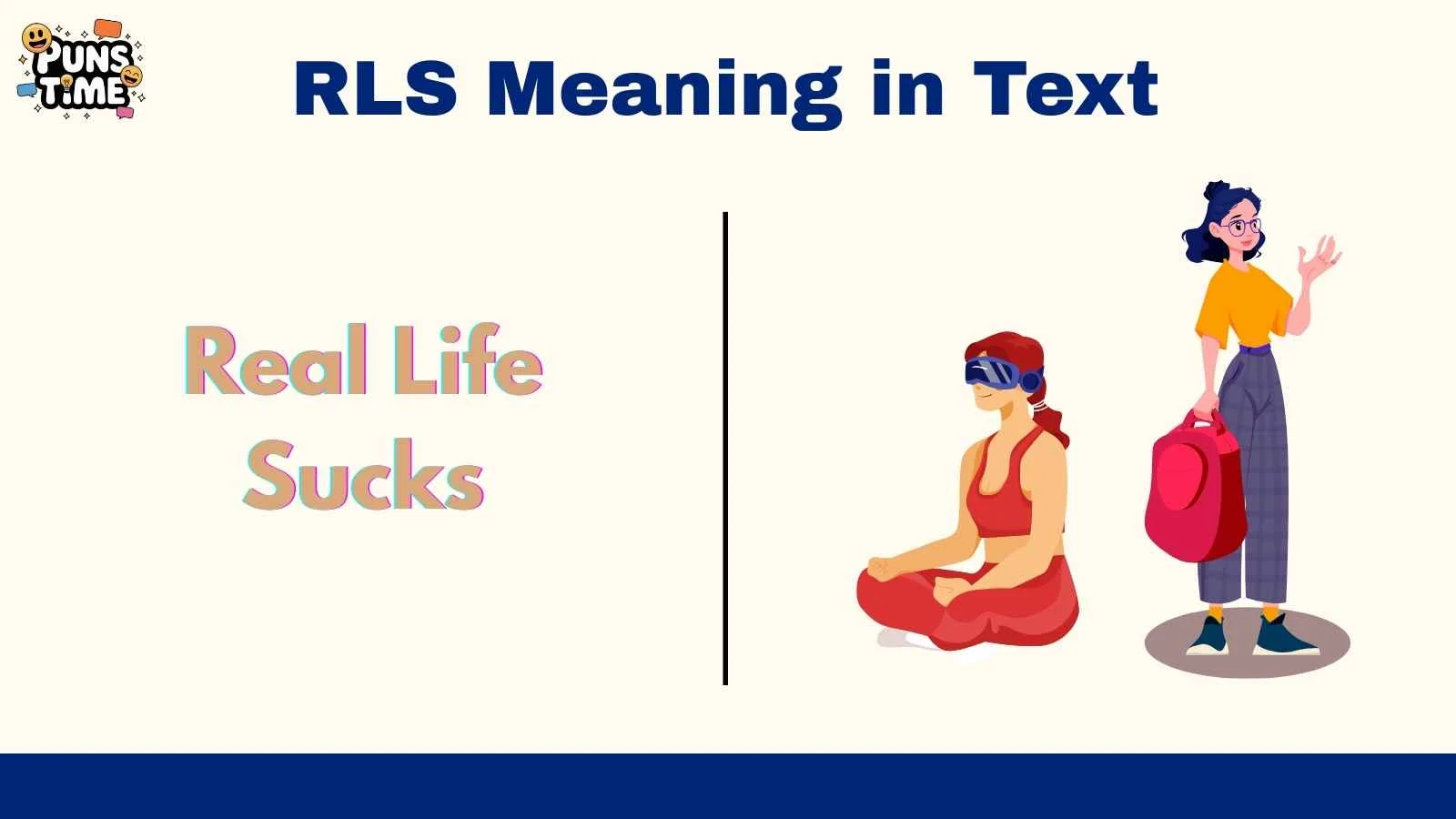
In texting and online chat, RLS most commonly stands for “Real Life Sucks.” It’s used as a casual, often humorous way to express frustration with everyday situations. Instead of writing a long complaint, people drop “RLS” to sum up how annoying or exhausting real life feels compared to online spaces.
The phrase usually carries a light, relatable tone rather than deep negativity. Friends often use it when venting about work, school, responsibilities, or adult life in general. Think of it as a shorthand sigh. 😮💨
However, context matters. In some conversations, RLS may also mean “Relax, Life’s Short”, especially in motivational or positive chats. That’s why reading the surrounding message is key before reacting.
Common chat vibes where RLS appears:
- Complaining about work or deadlines
- Joking about adult responsibilities
- Comparing real life to gaming or online fun
- Casual venting with friends
Quick examples:
- “Another Monday… RLS 😩”
- “Bills, chores, no sleep. RLS.”
Understanding the emotional tone helps you respond naturally and avoid misunderstandings.
Full Form, Stands For & Short Meaning of RLS
The most accepted text slang full form of RLS is “Real Life Sucks.” It’s short, punchy, and easy to type—perfect for fast chats. The phrase captures a shared feeling many people have when life feels overwhelming or boring.
That said, RLS doesn’t have just one meaning. Depending on context, it can stand for:
- Real Life Sucks (most common in texting)
- Relax, Life’s Short (positive or reassuring tone)
- Real Life Situation (less common, context-based)
In casual conversations, the negative version dominates. People use it to express mild frustration rather than serious distress. It’s closer to saying “ugh” than making a deep statement.
Why it works so well in texts:
- It’s short and expressive
- It feels relatable
- It saves time and effort
Short meaning summary:
- RLS = a quick way to comment on life’s annoyances
If you’re unsure which meaning applies, look at:
- Emojis used 😩 vs 🙂
- Overall mood of the chat
- Topic being discussed
For related slang meanings, you might also explore abbreviations like IRL, SMH, or FML (internal linking suggestion).
Origin, History & First Known Use of RLS
The slang use of RLS grew naturally alongside internet chat culture. While the exact first use isn’t documented, it likely emerged in the early 2000s when forums, instant messengers, and online games popularized abbreviations.
As people began separating “real life” (IRL) from online life, expressions like “real life sucks” became common jokes in gaming and internet communities. Over time, shortening it to RLS was a natural evolution—similar to how LOL or BRB developed.
Early usage patterns:
- Online forums and gaming chats
- IRC and MSN Messenger
- Meme culture and message boards
As social media platforms expanded, RLS moved into:
- Twitter/X posts
- Instagram captions
- WhatsApp chats
Its flexibility helped it survive. Whether used seriously or sarcastically, RLS adapted to changing platforms without losing meaning. Today, it’s not as mainstream as some slang, but it’s still widely understood among digital-native users.
How People Use RLS in Daily Conversations
People usually use RLS to vent, joke, or bond over shared struggles. It’s rarely aggressive or directed at someone—it’s more about situations.
Common daily-life uses include:
- Complaining about work or school
- Reacting to bad news
- Expressing boredom or stress
Typical examples:
- “Stuck in traffic again. RLS 🚗”
- “Assignments due back-to-back. RLS.”
- “Wish I was on vacation—RLS.”
Tone variations:
- Sarcastic: playful complaint
- Relatable: shared frustration
- Light humor: self-aware exaggeration
It’s often used between friends who understand each other’s moods. In formal or professional chats, RLS is rare and usually avoided.
RLS Meaning Across WhatsApp, Instagram, TikTok & Snapchat
While the meaning stays similar, platform culture affects how RLS is used.
WhatsApp:
Mostly casual chats with friends or family. RLS often appears in venting messages.
Instagram:
Used in captions or comments, sometimes paired with memes or reels.
TikTok:
Appears in comments reacting to relatable content about work, school, or adulthood.
Snapchat:
Short, emotional snaps with text overlays like “Monday again… RLS 😩”
Across platforms, emojis often guide interpretation. Negative emojis suggest frustration, while smiling ones can flip the meaning into humor.
Different Meanings of RLS in Other Fields
Outside texting, RLS has very different meanings, which can confuse people.
Common non-slang meanings:
- Restless Legs Syndrome (medical term)
- Remote Lighting System (tech/photography)
- Resource Leveling System (project management)
This is why context matters so much. In casual chats, slang applies. In professional or medical discussions, it definitely does not.
Common Confusions, Mistakes & Wrong Interpretations
The biggest mistake is assuming RLS always means the same thing. Misreading tone can lead to awkward replies.
Common errors:
- Taking it too seriously
- Confusing slang with medical meaning
- Using it in formal conversations
Tip: If unsure, ask casually or respond neutrally.
Similar Terms, Alternatives & Related Slang
Slang with similar vibes:
- FML – stronger frustration
- SMH – disappointment
- IRL – real life reference
- Ugh – simple annoyance
Internal linking suggestion: Check out related guides on IRL meaning in text or SMH slang.
Examples of RLS in Real Chat Situations
Quick chat examples:
- “Alarm at 6 AM… RLS 😴”
- “Adulting is hard. RLS.”
- “Weekend over already? RLS 😂”
How to Reply When Someone Says RLS
Easy reply ideas:
- Show empathy: “I feel you.”
- Light humor: “Yep, adult life strikes again.”
- Encouragement: “It’ll get better!”
Match their tone for a natural response.
Is RLS Still Popular? Trends & Online Usage
RLS isn’t peak-trend slang, but it’s still used in niche communities. It’s more common among millennials and older Gen Z users. While newer slang pops up constantly, RLS remains understandable and relevant.
FAQs:
1. Does RLS always mean Real Life Sucks?
No, but that’s the most common slang meaning.
2. Is RLS rude or offensive?
No, it’s usually casual and relatable.
3. Can I use RLS in professional chats?
Not recommended—it’s informal slang.
4. What’s the positive meaning of RLS?
Sometimes it means “Relax, Life’s Short.”
5. Is RLS outdated slang?
It’s less trendy but still understood.
Conclusion
Understanding the RLS meaning in text helps you stay confident in online conversations. Most of the time, it’s a quick way to say “Real Life Sucks”—a shared, lighthearted complaint about everyday struggles.
Depending on context, it can also carry a positive or alternative meaning, which is why reading tone and emojis matters.
Knowing how to interpret and respond keeps your chats smooth and natural. Language online moves fast, but once you understand terms like RLS, you’re always one step ahead in digital communication.