Have you ever seen “OTW” in a text message, social media post, or chat and wondered what it means? You’re not alone! In today’s fast-paced digital world, abbreviations and acronyms are everywhere, making texting quicker and more fun.
“OTW” is one of those shorthand terms that people frequently use but not everyone understands immediately. Whether you’re messaging friends, chatting on Instagram, or scrolling through TikTok, knowing what “OTW” stands for can save you from confusion.
In this guide, we’ll break down the meaning, origins, usage, and trends surrounding OTW, so you can text confidently and decode messages like a pro.
What Does OTW Mean in Text & Chat?
In online chatting and texting, OTW stands for “On The Way.” It’s a simple acronym used to let someone know you’re heading somewhere or that something is in progress. Instead of typing the full phrase, users often prefer the short form because it’s quick and casual.
- Example:
- “Don’t worry, I’m OTW! 🚗”
- “Dinner will be ready soon, OTW to your place?”
OTW is primarily used in casual conversations, especially when updating friends, family, or colleagues about your movement or progress. Its popularity has grown because texting shorthand saves time, especially in fast conversations or when using mobile devices.
Full Form, Stands For & Short Meaning of OTW
- Full Form: On The Way
- Short Meaning: Heading somewhere or approaching a destination
- Context: Casual chats, social media, texting apps
OTW is universally understood in informal messaging. While it’s straightforward, it’s important to use it in the right context to avoid misunderstandings. For example, using OTW in a professional email might look unprofessional.
Origin, History & First Known Use of OTW
OTW emerged as part of internet slang in the early 2000s, around the time texting and instant messaging gained popularity. With the rise of smartphones, shorthand like OTW became essential for typing messages faster. Its use is closely tied to other common texting abbreviations like BRB (Be Right Back), LOL (Laugh Out Loud), and TTYL (Talk To You Later). While there’s no exact date of the first use, OTW became mainstream as messaging apps like WhatsApp, Facebook Messenger, and SMS texting surged globally.
How People Use OTW in Daily Conversations
OTW is used when someone wants to quickly inform others about their arrival or progress. It’s mostly casual and often paired with emojis or exclamation points to convey urgency or excitement.
- Examples:
- “I got your text, OTW now! 🏃♂️”
- “OTW to the movie theater 🎬”
- “OTW! Can’t wait to see you 😄”
It’s also commonly used in group chats to update multiple people at once without typing long messages.
OTW Meaning Across WhatsApp, Instagram, TikTok & Snapchat
On different platforms, OTW retains its basic meaning but may have slight variations in tone:
- WhatsApp & Messenger: Informal updates among friends and family.
- Instagram DMs: Quick replies or story comments to show movement.
- TikTok: Used in captions or comments to indicate being “on the way” to trends, challenges, or events.
- Snapchat: Often paired with Snaps to indicate you’re on your way to meet someone.
Its versatility makes OTW a handy abbreviation across multiple platforms.
Different Meanings of OTW in Other Fields
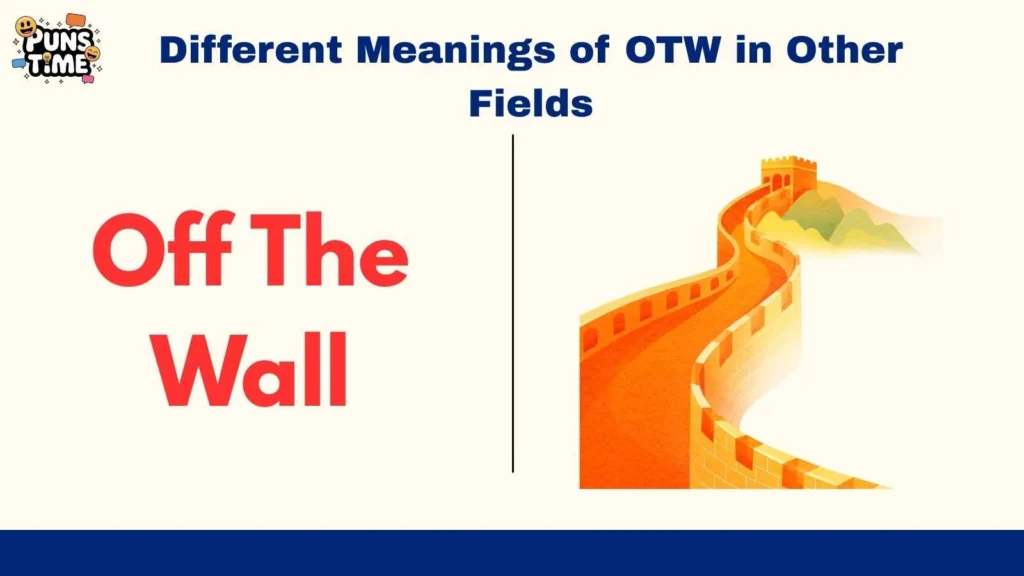
While OTW mostly means “On The Way” in texting, it can have other interpretations depending on the context:
- Business/Logistics: “On The Wire” or “Order To Warehouse”
- Gaming: “Off The Wall” (less common)
- Music/Entertainment: Sometimes used in lyrics or captions to mean movement or progress
However, in general texting and social media, “On The Way” is by far the most recognized meaning.
Common Confusions, Mistakes & Wrong Interpretations
Some users might confuse OTW with other abbreviations or overthink its meaning:
- Mistakenly interpreting it as a greeting or random letters.
- Confusing it with OTG (On The Go).
- Using it in formal communication, which may seem unprofessional.
Remember: context is key. If someone texts OTW, they’re likely just letting you know they’re coming.
Similar Terms, Alternatives & Related Slang
- BRB: Be Right Back
- TTYL: Talk To You Later
- IMO: In My Opinion
- On My Way (OMW): Almost identical to OTW
These alternatives can be used interchangeably depending on your preference or texting style.
Examples of OTW in Real Chat Situations
- Friend 1: “Hey, are you coming to the cafe?”
Friend 2: “Yep, OTW! ☕️” - Colleague: “Meeting starts in 10 mins”
You: “OTW, stuck in traffic 😅” - Family group chat: “Dinner at 7, everyone ready?”
You: “OTW, bring me a plate 😋”
Quick, clear, and friendly – OTW works perfectly in these everyday scenarios.
How to Reply When Someone Says OTW
- “Great, see you soon!”
- “Awesome, drive safe! 🚗”
- “Perfect, I’ll wait for you 😄”
- “Cool, text me when you arrive”
Replies should match the casual tone and maintain clarity.
Is OTW Still Popular? Trends & Online Usage
OTW remains widely used, especially among younger audiences and active social media users. While new slang appears every year, OTW’s simplicity and clear meaning have kept it relevant. It’s still trending on platforms like WhatsApp, Snapchat, and TikTok for everyday chats, making it a reliable shorthand for movement or progress.
FAQs:
1. What does OTW mean in texting?
It stands for On The Way, indicating that someone is coming or progressing toward a destination.
2. Is OTW the same as OMW?
Yes, both mean “On The Way,” though OMW is slightly more common in certain regions.
3. Can OTW be used professionally?
It’s generally informal, so use it only in casual workplace chats, not official emails.
4. When did OTW become popular?
It gained popularity in the early 2000s with texting and instant messaging trends.
5. Are there emojis commonly used with OTW?
Yes! 🚗, 🏃♂️, ⏱️, 😄, and 🎬 are common to indicate movement or excitement.
Conclusion
“OTW” is one of the easiest and most practical texting acronyms to know.
Whether you’re chatting with friends, replying on social media, or updating someone about your arrival, using OTW makes conversations faster and more casual.
Understanding its meaning, proper use, and context ensures you never misinterpret a text again.
So next time someone says OTW, you’ll know exactly how to respond—and maybe even add your own emoji for fun!