If you’ve ever received a message saying “OML” and paused to wonder what it means, you’re not alone. Internet slang changes fast, and short abbreviations like OML can feel confusing if you’re not deeply immersed in online conversations.
People search for the OML meaning in text because they see it on social media, in chats, or in comments and want to respond correctly without sounding awkward. OML is popular because it’s short, expressive, and easy to type, making it perfect for fast-paced digital communication.
In this article, we’ll break down exactly what OML means, where it comes from, and how people actually use it today. By the end, you’ll feel confident understanding OML in any context and replying naturally, just like a native internet user.
What Does OML Mean in Text & Chat?
OML is a casual internet abbreviation most often used to express strong emotion. In text and chat conversations, it usually appears when someone is surprised, shocked, excited, or overwhelmed. The meaning depends heavily on context, tone, and who is saying it. Unlike formal abbreviations, OML is emotional rather than informational.
In everyday texting, OML works similarly to expressions like “wow,” “no way,” or “I can’t believe this.” It’s commonly used as a reaction rather than a statement. For example, someone might type OML after hearing unexpected news or seeing something impressive online. The phrase often appears in lowercase or uppercase, with capitalization adding emphasis.
OML is especially common among younger users, but it’s widely understood across age groups thanks to social media platforms. Because it’s short and flexible, people use it in both private messages and public comments. Importantly, OML is informal, so it’s best suited for friendly conversations rather than professional communication.
In short, when you see OML in a chat, think of it as an emotional response packed into three letters. The surrounding message will usually make its meaning clear.
Full Form, Stands For & Short Meaning of OML
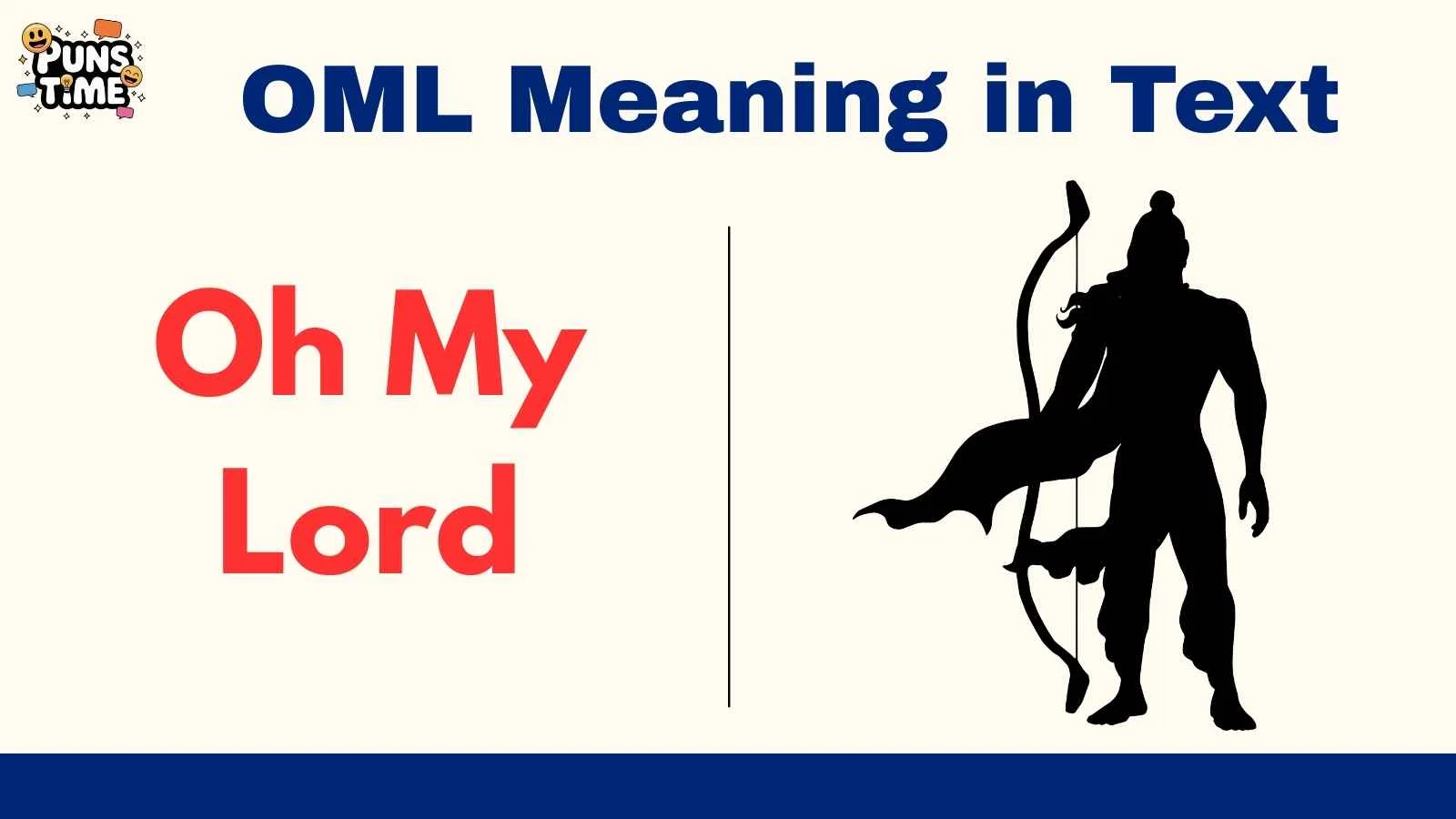
The most common full form of OML is “Oh My Lord.” This phrase is used to express strong feelings, much like “Oh my God,” but often seen as slightly softer or more playful. Some people prefer OML because it avoids religious references, while others simply like how it sounds.
In short form, OML means:
- Surprise
- Shock
- Excitement
- Disbelief
- Emotional reaction
The key thing to remember is that OML is rarely literal. People aren’t actually calling on “the Lord” in a serious way. Instead, it’s a modern expression of feeling. In some cases, users may interpret OML as “Oh My Life,” especially in certain regions, but this is far less common.
Because OML doesn’t have a single rigid meaning, it adapts to the situation. When paired with emojis, exclamation marks, or extra text, it becomes even more expressive. For example, “OML 😭” shows emotional overload, while “OML!!!” signals excitement or shock.
Understanding the full form helps, but context is what truly defines the short meaning of OML in real conversations.
Origin, History & First Known Use of OML
OML didn’t appear overnight. Like many internet abbreviations, it evolved from longer spoken phrases used in everyday language. “Oh my Lord” has existed for centuries as an emotional expression, but its shortened digital form gained popularity with texting and online chat rooms.
The abbreviation OML likely started appearing in early internet forums and instant messaging platforms during the late 2000s and early 2010s. As character limits and fast typing became more important, users looked for quick ways to express feelings. OML fit perfectly into this need.
Its rise accelerated with the growth of social media platforms like Twitter, Tumblr, and later Instagram and TikTok. These platforms encouraged short, expressive reactions, making abbreviations more attractive. Younger users adopted OML as a lighter alternative to OMG, helping it spread quickly.
Unlike slang that fades fast, OML has stayed relevant because it’s flexible and emotionally clear. While its exact first use is hard to pinpoint, its continued popularity shows how digital language adapts traditional expressions for modern communication.
How People Use OML in Daily Conversations
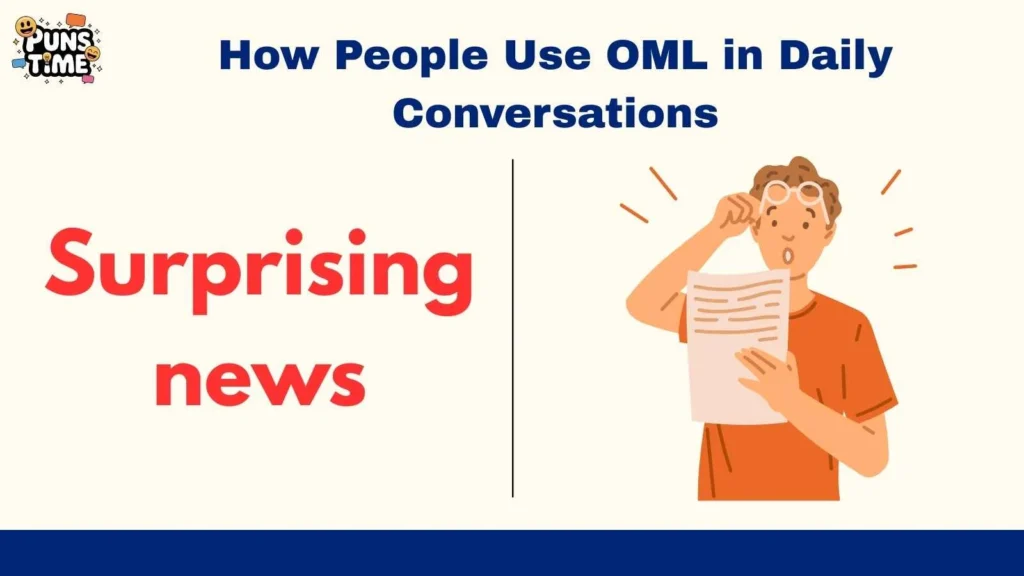
In daily conversations, OML is mainly used as a reaction rather than part of a full sentence. People drop it into chats when emotions run high, whether positively or negatively. It helps convey tone that might otherwise be lost in plain text.
Common daily uses include reacting to:
- Surprising news
- Funny messages
- Shocking photos or videos
- Dramatic stories
For example, if a friend shares unexpected gossip, replying with “OML 😳” instantly shows surprise. If someone sends exciting news, “OML that’s amazing!” feels natural and supportive.
OML is also often combined with other slang or emojis to soften or amplify its meaning. In group chats, it can show shared excitement or disbelief without needing a long response. Because it’s casual, people rarely overthink using it.
Overall, OML works best when you want to react quickly, emotionally, and informally. It keeps conversations flowing without slowing things down.
OML Meaning Across WhatsApp, Instagram, TikTok & Snapchat
The OML meaning in text stays mostly consistent across platforms, but usage style can change slightly.
On WhatsApp, OML is common in private chats and group conversations. It’s often paired with emojis to show tone, like laughter or shock.
On Instagram, OML appears frequently in comments and DMs. Users react to posts, stories, or reels with quick messages like “OML 😍” or “OML no way.”
On TikTok, OML is heavily used in comments to react to dramatic, funny, or shocking videos. Here, it often signals shared emotion among viewers.
On Snapchat, OML fits well with fast, disappearing messages. It’s usually short, casual, and emoji-filled.
Across all platforms, OML remains informal, expressive, and reaction-based. The platform doesn’t change the meaning much, but it does influence how playful or dramatic it feels.
Different Meanings of OML in Other Fields
While OML in texting usually means “Oh My Lord,” the abbreviation can have completely different meanings in other fields. This is why context matters.
In business or technical areas, OML might stand for:
- Object Modeling Language
- Operations Management Lead
- Optical Markup Language
In healthcare or science, it could have specialized meanings unrelated to texting. However, these interpretations are rarely used in casual chats or social media.
If you see OML in a professional document, email, or technical discussion, don’t assume the slang meaning. Always look at the context and audience. In everyday texting, though, the slang version is by far the most common.
Common Confusions, Mistakes & Wrong Interpretations
One common mistake is assuming OML always means the same thing as OMG. While they’re similar, OML often feels slightly softer or more playful. Another confusion is misreading tone. Without emojis or context, OML can seem sarcastic or dramatic.
Some users also misunderstand OML as rude or overly emotional, especially in formal settings. Using it in professional chats can come across as unprofessional.
Another mistake is overusing OML. When used too often, it can lose impact or seem exaggerated. Understanding when and where to use it helps avoid awkward moments.
Similar Terms, Alternatives & Related Slang
If you want alternatives to OML, there are plenty of similar expressions:
- OMG
- WOW
- NO WAY
- I CAN’T
- SHEESH
Related slang expressions serve the same emotional purpose but with different tones. You can internally link to related abbreviation pages like OMG meaning in text, SMH meaning, or IKR meaning to help readers explore similar slang.
Choosing the right alternative depends on mood, audience, and platform.
Examples of OML in Real Chat Situations
Here are quick, realistic examples:
- “OML 😭 I didn’t expect that ending”
- “OML that outfit looks amazing 😍”
- “OML no way this just happened”
- “OML 😂 you’re too funny”
- “OML I’m so excited for you!”
These short examples show how flexible OML can be in real conversations.
How to Reply When Someone Says OML
When someone says OML, your reply should match their emotion. If they’re excited, respond positively. If they’re shocked, acknowledge it.
Simple replies include:
- “Right?! 😄”
- “I know, control!”
- “Same here 😭”
- “Haha, I thought so too!”
Mirroring tone helps keep the conversation natural and friendly.
Is OML Still Popular? Trends & Online Usage
Yes, OML is still popular and widely used. While new slang appears constantly, OML has remained stable because it’s easy, expressive, and adaptable. It continues to show up in comments, captions, and chats across major platforms.
Trends suggest that OML isn’t disappearing anytime soon. Instead, it’s become a reliable part of modern digital language, especially for emotional reactions.
FAQs:
What does OML stand for in texting?
It usually stands for “Oh My Lord.”
Is OML the same as OMG?
They’re similar, but OML often feels softer or more playful.
Can OML be rude?
Not usually, but it can seem informal in professional settings.
Do older people use OML?
Yes, though it’s more common among younger users.
Is OML still trending?
Yes, it remains popular across social media platforms.
Conclusion:
Understanding the OML meaning in text makes online conversations easier and more enjoyable. OML is a simple yet powerful way to express surprise, excitement, or disbelief without typing long messages.
Its flexibility and emotional tone explain why it remains popular across platforms like WhatsApp, Instagram, TikTok, and Snapchat. While it can have other meanings in technical fields, its slang usage is the most common in everyday chats.
By paying attention to context and tone, you can confidently understand and use OML in your own messages. Whether you’re reacting to shocking news or celebrating something exciting, OML helps you sound natural, expressive, and up to date with modern digital language.