If you’ve ever seen someone type “NGL” in a text or comment and paused to wonder what it means, you’re not alone. The phrase shows up constantly in chats, memes, and social media captions, which is why so many people search for its meaning.
NGL meaning in text is closely tied to honesty, emotion, and casual online conversation. It’s short, expressive, and perfect for fast-paced digital communication.
People use NGL to soften opinions, admit something honestly, or add a friendly tone to what they’re saying. Whether it’s used seriously, humorously, or even sarcastically, NGL helps messages feel more human and relatable.
What Does NGL Mean in Text & Chat?
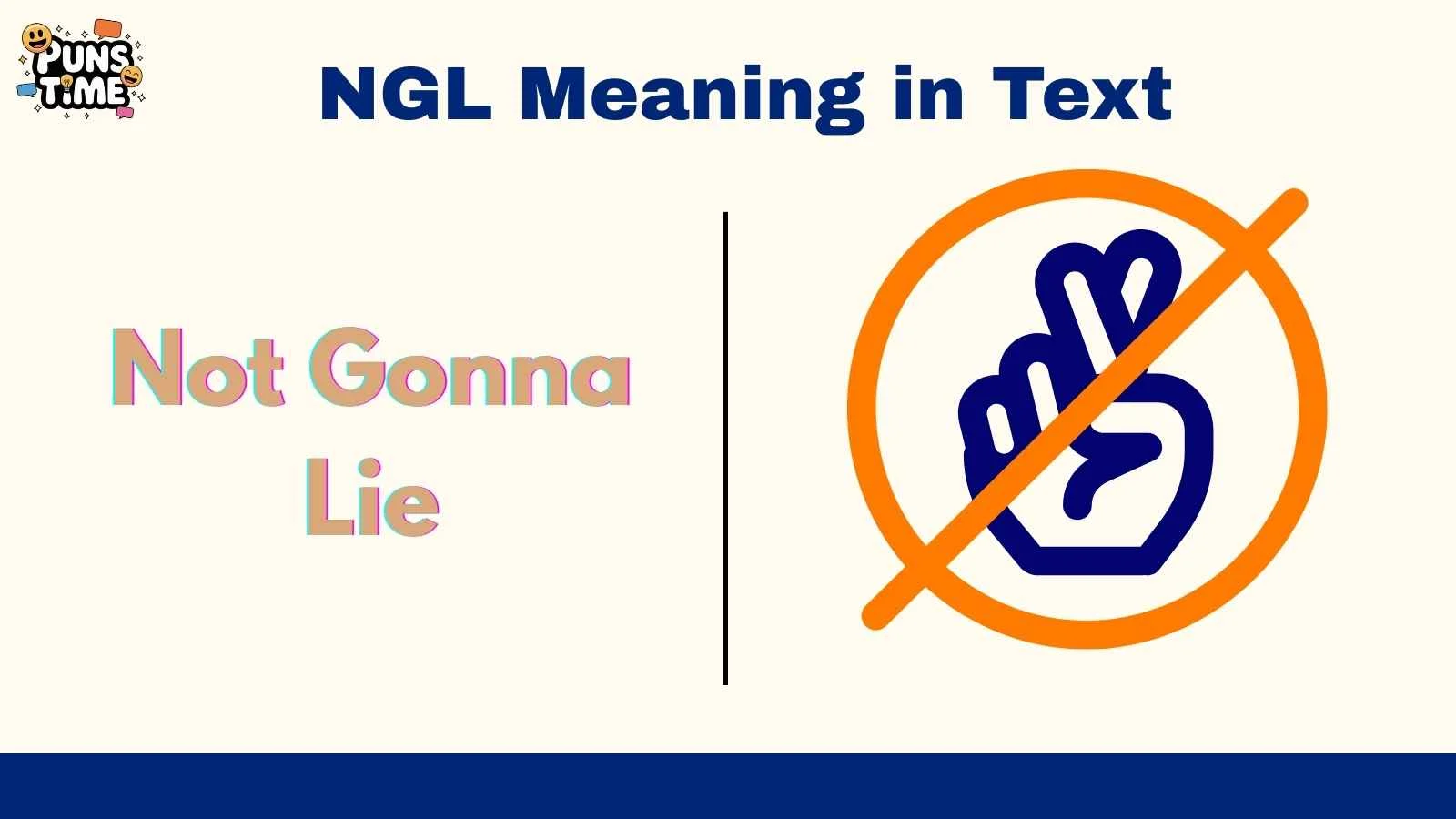
The NGL meaning in text is simple: it stands for “Not Gonna Lie.” People use it to signal honesty before sharing an opinion, feeling, or reaction. When someone types NGL, they’re basically saying, “I’m about to be real with you.”
In everyday texting and chatting, NGL often appears at the beginning of a sentence, but it can also show up in the middle or at the end. It sets the tone for what follows and prepares the reader for a genuine or slightly blunt statement. Importantly, NGL isn’t rude by default—it’s usually casual and friendly.
NGL can be used in many emotional contexts:
- Admitting something embarrassing
- Complimenting someone honestly
- Sharing an unpopular opinion
- Reacting to a situation truthfully
Examples in text:
- “NGL, that movie was better than I expected.”
- “I’m tired, ngl 😴.”
- “That outfit looks great on you, ngl.”
In chats, NGL helps reduce tension. It makes statements feel less harsh and more conversational. Instead of sounding critical or cold, the speaker comes across as open and relatable. That’s why NGL works so well in casual texting and online conversations—it adds honesty without drama.
Full Form, Stands For & Short Meaning of NGL
NGL is an abbreviation that stands for “Not Gonna Lie.” The phrase itself comes from spoken English, where people often say it before expressing a sincere thought. Over time, it was shortened to NGL for faster typing in texts and online chats.
Short meaning of NGL:
- “Honestly”
- “To be real”
- “I’m being truthful”
While all of these phrases are similar, NGL feels more relaxed and modern. It’s less formal than “honestly” and more conversational than “to be frank.” That’s why it fits perfectly into texting culture.
NGL doesn’t change tense or form. It stays the same regardless of context:
- Past: “NGL, I didn’t like it.”
- Present: “NGL, I’m confused.”
- Future: “NGL, I’ll probably be late.”
Because it’s informal, NGL is best used in personal chats, comments, and social media—not professional emails or formal writing. Its simplicity and emotional clarity are exactly why it became so popular in digital language.
Origin, History & First Known Use of NGL
The phrase “not gonna lie” existed in spoken English long before texting. People have used it for decades as a casual way to introduce honesty. The abbreviated form NGL began appearing more frequently with the rise of SMS texting and early online chat rooms.
As character limits became common—especially on older phones and platforms—shortened phrases like NGL gained traction. It saved time, space, and effort while keeping the message clear. By the early 2010s, NGL had become a standard part of internet slang.
Social media accelerated its spread. Platforms like Twitter, Tumblr, and later Instagram helped normalize abbreviations as part of everyday communication. NGL stood out because it expressed emotion, not just information.
Over time, NGL evolved from a literal honesty marker into a tone indicator. Sometimes it means genuine honesty, and other times it’s playful or exaggerated:
- “NGL, that pizza changed my life 🍕.”
This flexibility helped NGL survive language trends that caused other slang terms to fade. Today, it’s widely understood across age groups and platforms.
How People Use NGL in Daily Conversations
In daily conversations, NGL works as a social shortcut. It tells the reader, “What I’m about to say is real,” even if the topic is small or lighthearted.
Common everyday uses include:
- Sharing opinions: “NGL, I prefer staying home.”
- Expressing feelings: “NGL, I miss you.”
- Reacting honestly: “That was awkward, ngl 😬.”
NGL often softens statements that could otherwise sound harsh. For example, saying “I didn’t enjoy it” can feel blunt, but “NGL, I didn’t enjoy it” feels more conversational.
It’s also used humorously:
- “NGL, I ate all the snacks.”
- “That nap hit different, ngl.”
In spoken-style texting, NGL mirrors real speech patterns, which makes conversations feel natural and unforced. People rely on it to keep chats honest without sounding too serious.
NGL Meaning Across WhatsApp, Instagram, TikTok & Snapchat
While the core meaning of NGL stays the same, how it’s used can vary by platform.
- WhatsApp: Casual and personal
“NGL, today was exhausting.” - Instagram: Captions or comments, often expressive
“NGL, this view is unreal 😍.” - TikTok: Honest reactions or storytelling
“NGL, I didn’t expect this to go viral.” - Snapchat: Short, spontaneous messages
“NGL, I’m bored 😅.”
On visual platforms like TikTok and Instagram, NGL often adds authenticity. It makes content feel real rather than scripted. That’s why creators use it when sharing opinions or reactions.
Different Meanings of NGL in Other Fields
Outside texting, NGL can have different meanings, depending on the context. These are usually unrelated to slang.
Examples include:
- Natural Gas Liquids (energy industry)
- National Grid Line (infrastructure contexts)
- No Good Luck (rare, informal use)
However, in everyday online communication, these meanings are uncommon. If NGL appears in a casual chat, it almost always means “Not Gonna Lie.” Context usually makes this clear.
Common Confusions, Mistakes & Wrong Interpretations
One common mistake is assuming NGL is sarcastic or rude. In most cases, it isn’t. It’s usually neutral or friendly.
Other misunderstandings:
- Thinking it’s negative by default ❌
- Using it in formal writing ❌
- Overusing it in every sentence ❌
Correct usage depends on tone and context. When used naturally, NGL enhances clarity. When overused, it can feel repetitive.
Similar Terms, Alternatives & Related Slang
If you want alternatives to NGL, here are a few commonly used options:
- TBH (To Be Honest)
- Honestly
- FR (For Real)
- Lowkey (in some contexts)
Examples of NGL in Real Chat Situations
Quick examples for scanning:
- “NGL, that made my day 😊.”
- “I was nervous, ngl.”
- “NGL, you were right.”
- “That test was hard, ngl 😵💫.”
These examples show how flexible and natural NGL is in conversation.
How to Reply When Someone Says NGL
Your reply should match the tone:
- Agreeing: “Yeah, I feel the same.”
- Light humor: “Haha, fair enough 😄.”
- Supportive: “Thanks for being honest.”
There’s no fixed response—just react naturally.
Is NGL Still Popular? Trends & Online Usage
Yes, NGL is still very popular. It remains widely used because it’s simple, expressive, and timeless. Unlike trend-based slang, NGL fits naturally into everyday language, which keeps it relevant.
It continues to appear in:
- Text messages
- Social media captions
- Comments and replies
Its long-term popularity shows that honest, conversational slang tends to last.
FAQs:
1. What does NGL mean in texting?
It means “Not Gonna Lie,” used to express honesty.
2. Is NGL rude?
No, it’s usually friendly or neutral.
3. Can NGL be used positively?
Yes, very often.
4. Is NGL formal language?
No, it’s informal slang.
5. Do adults use NGL too?
Yes, it’s used across age groups.
Conclusion:
The NGL meaning in text is all about honesty, tone, and connection. Short for “Not Gonna Lie,” it helps people express real thoughts in a relaxed, human way.
From WhatsApp chats to TikTok captions, NGL has become a staple of modern digital communication because it feels natural and relatable.
What makes NGL stand out is its flexibility. It can be serious, funny, or emotional—sometimes all at once.