If you’ve ever received a message that simply says “HBU?”, you’re not alone in wondering what it means. Short text abbreviations like this are everywhere on WhatsApp, Instagram, Snapchat, TikTok comments, and casual chats. People search for HBU meaning in text because these small phrases can feel confusing if you’re not used to internet slang.
Misunderstanding them can even change the tone of a conversation.
HBU is popular because it saves time, keeps conversations flowing, and sounds friendly rather than formal.
Whether you’re chatting with friends, replying to a coworker, or messaging someone new, knowing how HBU works helps you respond naturally. In this guide, we’ll break down exactly what HBU means, where it came from, how people use it today, and how you should reply—clearly and confidently.
What Does HBU Mean in Text & Chat?
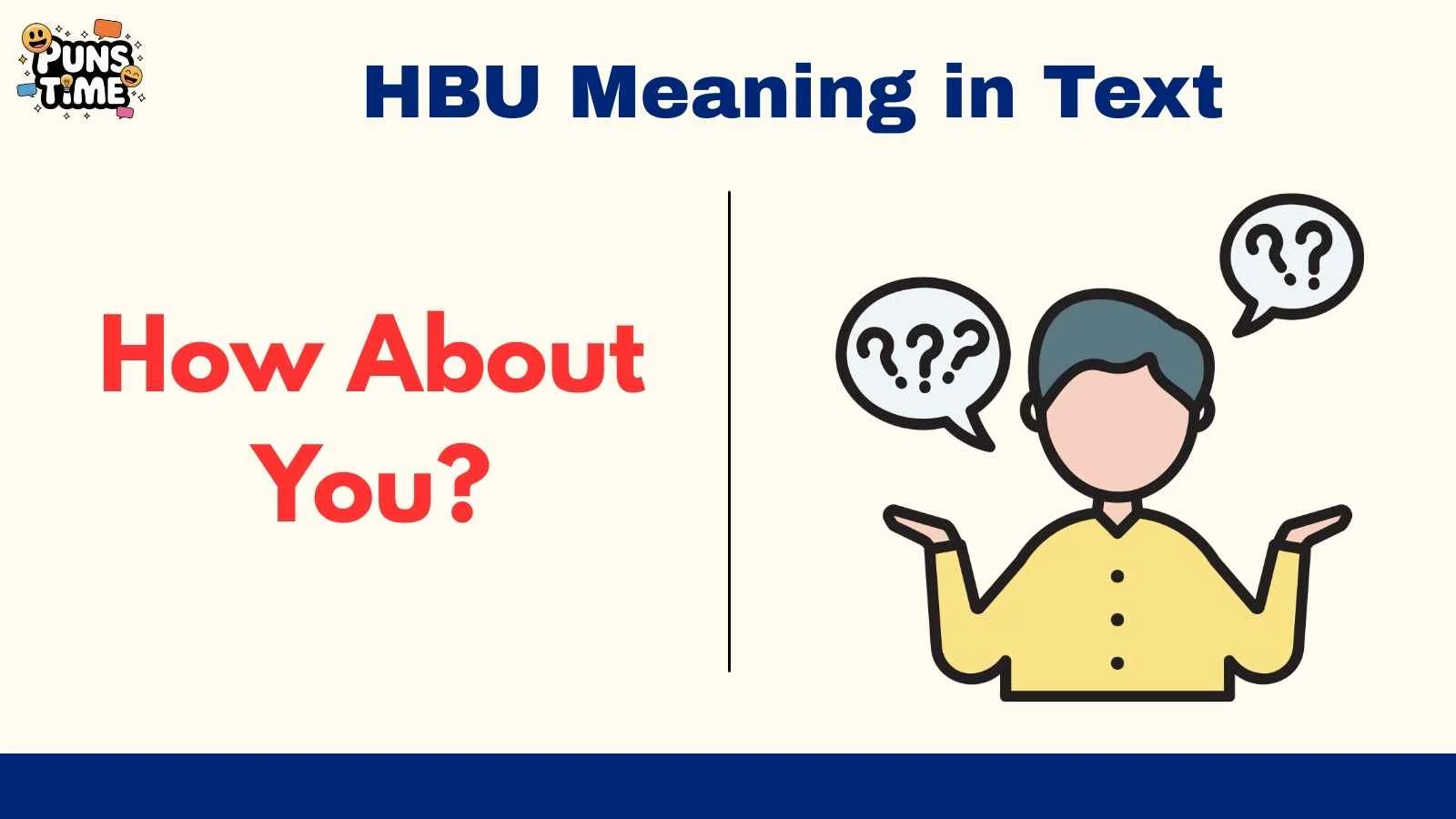
In text messages and online chats, HBU is a casual abbreviation that means “How About You?” It’s usually used right after someone answers a question and wants to return it to the other person. Instead of typing a full sentence, people shorten it to keep the conversation quick and relaxed.
HBU is most commonly seen in informal conversations. Friends, classmates, and even coworkers use it when the tone is friendly. It’s not meant to sound cold or lazy—it’s simply efficient. For example, if someone asks how your day is going and you reply, adding “HBU?” shows interest in the other person.
What makes HBU useful is its flexibility. It can refer to feelings, plans, opinions, or situations, depending on context. The meaning stays the same, but what it refers to changes.
Quick examples:
- “I’m good, just tired. HBU? 😅”
- “I love that movie. HBU? 🎬”
- “Busy with work today. HBU?”
Because it’s a question, HBU almost always expects a reply. Ignoring it can feel awkward, especially in one-on-one chats.
Full Form, Stands For & Short Meaning of HBU
The full form of HBU is “How About You.” There’s no hidden or alternative expansion in texting—it’s straightforward and widely accepted. Unlike some abbreviations that have multiple meanings, HBU is refreshingly clear.
At its core, HBU is a conversational mirror. Someone shares information, then uses HBU to pass the focus back to the other person. This back-and-forth rhythm is why it’s so common in texting culture.
Short meaning:
HBU = I’ve answered—now it’s your turn.
People prefer HBU because:
- It saves time
- It sounds friendly
- It keeps conversations balanced
You’ll rarely see HBU used in formal writing or professional emails. In those cases, people usually write out “How about you?” fully. But in casual digital communication, HBU feels natural and expected.
Related abbreviations you might also see:
- HYD – How You Doing
- HRU – How Are You
- WBU – What About You
(Internal linking suggestion: link to pages like “HRU Meaning in Text” or “HYD Meaning in Chat”.)
Origin, History & First Known Use of HBU
HBU emerged from early internet and mobile texting culture, where character limits and slow typing pushed people to shorten common phrases. While there’s no single inventor, its usage became noticeable in the late 1990s and early 2000s with SMS texting and chat rooms.
Early platforms like AOL Instant Messenger, MSN Messenger, and online forums encouraged short, fast replies. Typing “How about you?” repeatedly felt unnecessary, so HBU naturally evolved as a shortcut.
As smartphones and social media grew, HBU stuck around. Unlike some slang terms that fade quickly, HBU remained useful because it serves a basic conversational purpose. It doesn’t rely on trends or humor—it relies on human interaction.
Over time, HBU became universal across age groups. Teens use it daily, but adults also recognize and understand it. That longevity is why it’s still relevant today.
How People Use HBU in Daily Conversations
In daily conversations, HBU acts as a polite conversational handoff. After sharing personal information, people use HBU to show curiosity and keep the exchange going.
You’ll often see it used:
- After answering “How are you?”
- When discussing opinions
- While making small talk
- During casual check-ins
Common daily uses:
- “I’m free this weekend. HBU?”
- “I’m from Canada. HBU? 🇨🇦”
- “I had coffee already. HBU? ☕”
HBU works best in relaxed, friendly settings. It can feel too casual for serious discussions, but in everyday chats, it’s perfect. It also softens conversations, making them feel less one-sided.
HBU Meaning Across WhatsApp, Instagram, TikTok & Snapchat
The meaning of HBU stays the same across platforms, but how it feels can change slightly.
- WhatsApp: Friendly and conversational, often between close contacts
- Instagram: Used in DMs or comments to keep interactions casual
- TikTok: Common in replies to comments or creator interactions
- Snapchat: Extremely common in quick, informal chats
On visual platforms, HBU is often paired with emojis or short replies. It keeps the vibe light and social.
Different Meanings of HBU in Other Fields
Outside texting, HBU can stand for different things, though these are context-specific:
- Hampshire Business Unit
- Historical Black University (rare and context-dependent)
However, in everyday digital communication, HBU almost always means “How About You.” Confusion is rare unless the conversation is academic or professional.
Common Confusions, Mistakes & Wrong Interpretations
Some people mistake HBU for:
- A command instead of a question
- A dismissive reply (it’s not)
- A slang insult (it isn’t)
The biggest mistake is ignoring it. Since HBU invites a response, leaving it unanswered can feel awkward or rude.
Similar Terms, Alternatives & Related Slang
Similar expressions include:
- WBU (What About You)
- And you?
- Your turn?
- How about yourself?
(Internal linking suggestion: “WBU Meaning in Text”, “HRU Meaning in Chat”.)
Examples of HBU in Real Chat Situations
- “I’m relaxing at home. HBU? 🛋️”
- “I liked the song! HBU? 🎶”
- “Long day at work 😴 HBU?”
How to Reply When Someone Says HBU
The best response is simple and honest. Share your situation, then continue the conversation if needed.
Examples:
- “I’m doing well, thanks!”
- “Same here, just busy today.”
- “Not bad! Catching up on stuff 😊”
Is HBU Still Popular? Trends & Online Usage
Yes, HBU is still widely used. It hasn’t gone out of style because it’s practical, neutral, and easy to understand. While slang evolves quickly, functional abbreviations like HBU tend to stick around.
FAQs:
1. What does HBU mean in texting?
It means “How About You?”
2. Is HBU rude?
No, it’s friendly and conversational.
3. Can HBU be used professionally?
Only in casual work chats, not formal emails.
4. Is HBU the same as WBU?
Yes, both mean the same thing.
5. Do adults use HBU?
Yes, across many age groups.
Conclusion:
Understanding the HBU meaning in text makes digital conversations smoother and more natural. At its heart, HBU is simply a polite way to keep the conversation balanced. It shows interest, saves time, and fits perfectly into modern texting culture.
Whether you see it on WhatsApp, Instagram, Snapchat, or TikTok, the meaning stays the same someone is inviting you to share.
As online communication continues to evolve, small abbreviations like HBU remain popular because they’re useful, friendly, and easy to understand. Now that you know exactly what it means and how to reply, you can use HBU confidently in your own chats.