If you’ve ever scrolled through a chat, dating app, or social media feed and seen the abbreviation FWB, you’re not alone. Many people search for “FWB meaning in text” because it’s one of the most common internet slang terms used in casual conversations—especially in modern dating and friendships.
Understanding what FWB means helps you avoid misunderstandings, respond confidently, and navigate online conversations more smoothly.
In simple terms, FWB describes a specific type of relationship dynamic that has become increasingly popular in digital communication.
Whether you’re trying to decode a message someone sent you, learning online slang, or simply curious, this guide explains everything you need to know about the meaning, origin, real examples, and trends surrounding FWB.
What Does FWB Mean in Text & Chat?
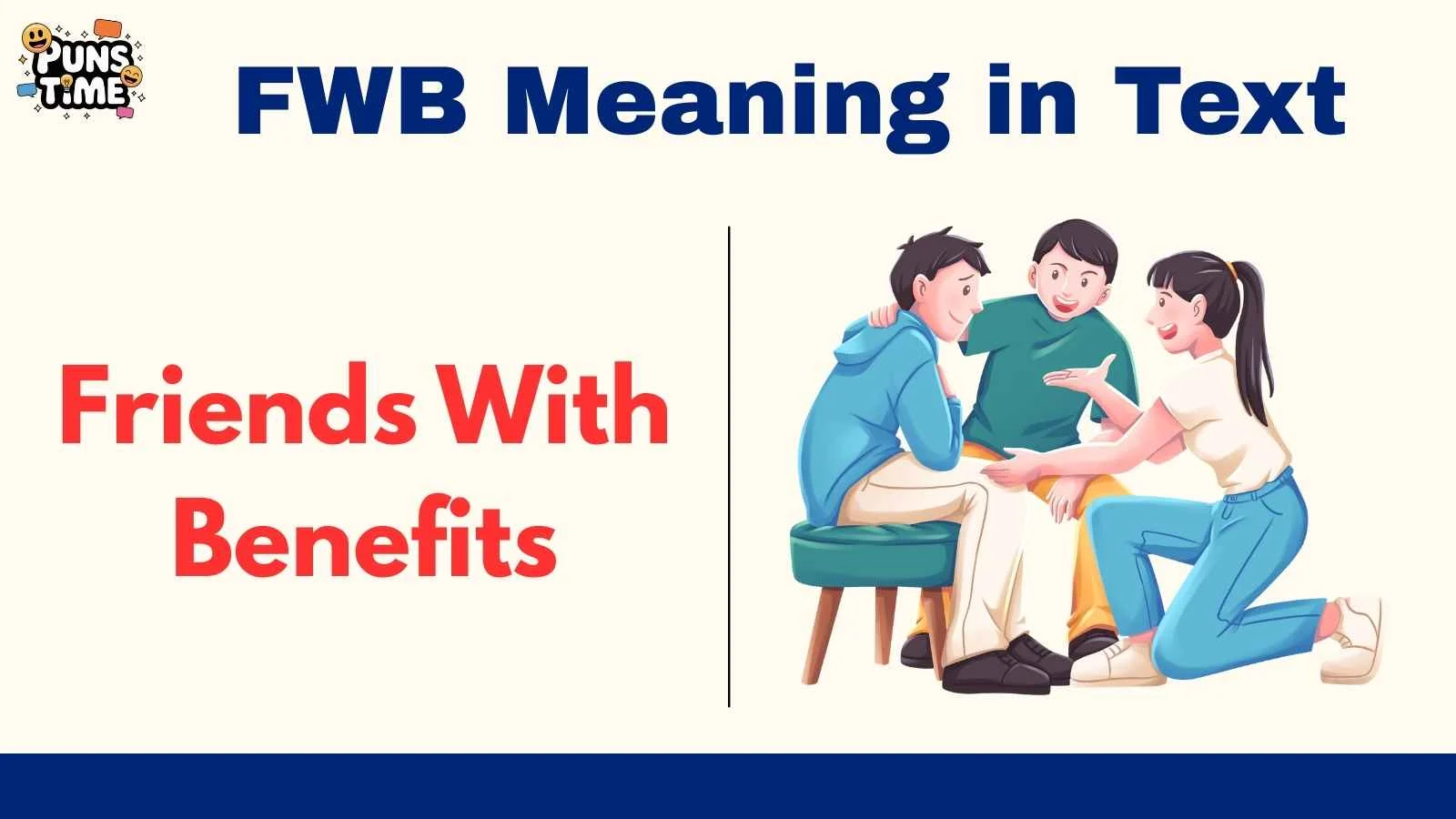
In texting, messaging apps, and social media, FWB stands for “Friends With Benefits.” It describes a friendship where two people engage in a casual, non-committed physical relationship while still maintaining a friendly connection.
This term is usually used to express that:
- The relationship is not romantic
- There is no expectation of exclusivity
- Both people are comfortable keeping things casual
- The bond is more than friendship but less than dating
FWB is especially common in conversations on dating apps, where someone might mention it to set expectations or to describe what kind of relationship they’re looking for.
Full Form, Stands For & Short Meaning of FWB
Here’s a quick breakdown:
- Full Form: Friends With Benefits
- Short Meaning: Casual friendship with physical intimacy
- Category: Internet slang / relationship slang
- Used In: Chats, texts, dating profiles, social media, casual conversations
In short, FWB = a no-strings-attached arrangement between friends.
Origin, History & First Known Use of FWB
The concept of friends choosing a casual relationship existed long before the internet, but the term “Friends With Benefits” became popular in the late 1990s and early 2000s. It gained widespread recognition through:
- Early online chatrooms
- Teen and young-adult TV shows
- Pop culture references
- Movies such as Friends With Benefits (2011)
By the mid-2000s, the shortened form FWB became a standard abbreviation in text messaging culture. It allowed people to communicate relationship expectations quickly, privately, and in a more casual tone.
Today, FWB is fully integrated into digital slang, commonly used worldwide.
How People Use FWB in Daily Conversations
People use FWB in different ways depending on the situation. It may appear in:
- Casual chats
- Dating app bios
- Discussions with friends
- Text messages clarifying boundaries
Common uses include:
- Talking about relationship status
- Asking someone what they’re looking for
- Describing an existing arrangement
- Mentioning past experiences
Because the term is informal, it’s mostly used among people who already have an open, comfortable rapport.
FWB Meaning Across WhatsApp, Instagram, TikTok & Snapchat
People often use FWB in personal chats to talk about relationships or clarify their intentions.
Usually appears in DMs, stories, or comments where people use slang casually.
TikTok
FWB is widely used in memes, storytime videos, and trend discussions about modern dating.
Snapchat
Common in private snaps or chats, especially when conversations turn personal or flirty.
Regardless of the platform, the meaning remains the same: Friends With Benefits.
Different Meanings of FWB in Other Fields
While FWB almost always means Friends With Benefits in texting, it can have unrelated meanings in professional or niche contexts:
- FWB – Fort Walton Beach (U.S. city)
- FWB – Free Will Baptist (religion)
- FWB – Fürstenberg Werkzeuge (German tool manufacturer)
- FWB – Family Welfare Benefits (welfare programs)
However, these meanings are rarely used in everyday chat.
Common Confusions, Mistakes & Wrong Interpretations
People sometimes confuse FWB with similar relationship terms. Common mistakes include:
- Thinking FWB means dating — It doesn’t.
- Assuming feelings are involved — FWB is usually emotion-light.
- Mixing it up with casual hookups — FWB includes friendship, not just physical contact.
- Believing it’s exclusive — Most FWBs are not exclusive unless both agree.
Clarity is key when using the term in conversations.
Similar Terms, Alternatives & Related Slang
Here are some related expressions:
- NSA – No Strings Attached
- ONS – One Night Stand
- Situationship – Undefined romantic/physical connection
- Casual – A non-serious relationship
- Hookup – Casual encounter, not necessarily ongoing
These terms may overlap but are not identical.
Examples of FWB in Real Chat Situations
- “Are you cool with an FWB kind of arrangement?”
- “We’re not dating—more like FWB 😅.”
- “I’m not looking for anything serious, maybe just an FWB.”
- “We used to be FWB, but now we’re just friends.”
- “Is this FWB or something more?”
These examples show how natural and casual the term is in everyday digital conversations.
How to Reply When Someone Says FWB
Here are some possible responses depending on your comfort:
You’re open to it:
- “I’m okay with an FWB arrangement as long as we’re honest about boundaries.”
- “Sure, that works for me.”
If you need clarification:
- “What exactly do you mean by FWB?”
- “Are you looking for something casual only?”
If you’re not interested:
- “Thanks for being clear, but I’m not looking for FWB.”
- “That’s not the type of relationship I want.”
Is FWB Still Popular? Trends & Online Usage
Yes—FWB remains highly popular in digital conversations. Increasing openness about modern relationship styles, plus the rise of dating apps, keeps the term active.
Trends show:
- Young adults use it most frequently
- It appears often in Tinder, Bumble, and Snapchat chats
- TikTok discussions continue to revive the term
- Romantic labels are becoming more flexible, making FWB widely accepted
Though meanings evolve, FWB is still a top relationship slang term in 2025.
FAQs:
1. What does FWB mean in texting?
It means Friends With Benefits—a casual relationship between friends.
2. Is FWB the same as dating?
No. Dating usually involves emotional connection; FWB is typically casual.
3. Can FWB turn into a relationship?
Yes, some eventually develop feelings, but it depends on the people involved.
4. Is FWB appropriate to use on dating apps?
Yes. Many people use it to clearly communicate what they want.
5. What’s the difference between FWB and NSA?
NSA is purely physical; FWB includes an existing friendship.
Conclusion:
Understanding the FWB meaning in text is essential for today’s digital communication landscape. As online conversations evolve, abbreviations like FWB help people express their relationship preferences quickly and clearly.
Whether you encounter the term in messages, on social media, or in casual chats, knowing what it means prevents misunderstandings and helps you respond with confidence.
FWB typically refers to a friendly, casual, and mutually agreed-upon arrangement, but it can also appear in different contexts depending on the conversation.
By learning how people use it, how to reply, and what alternatives exist, you gain a deeper understanding of modern relationship slang. Keep this guide handy whenever you need clarity on FWB or similar internet abbreviations.